JI
Jamaat-e-IslamiPakistan

Pakistan's largest Islamic Political movement, serving the nation since 1941.

Quick Links

  • About
  • Leadership
  • History
  • Manifesto

Resources

  • News
  • Events
  • Blogs
  • FAQ

Stay Updated

Subscribe for the latest news and updates from the movement.

info@jamaat.org+92 51 925 0081

© 2026 Jamaat-e-Islami Pakistan. All rights reserved.

Privacy PolicyTerms of UseSitemapاردو

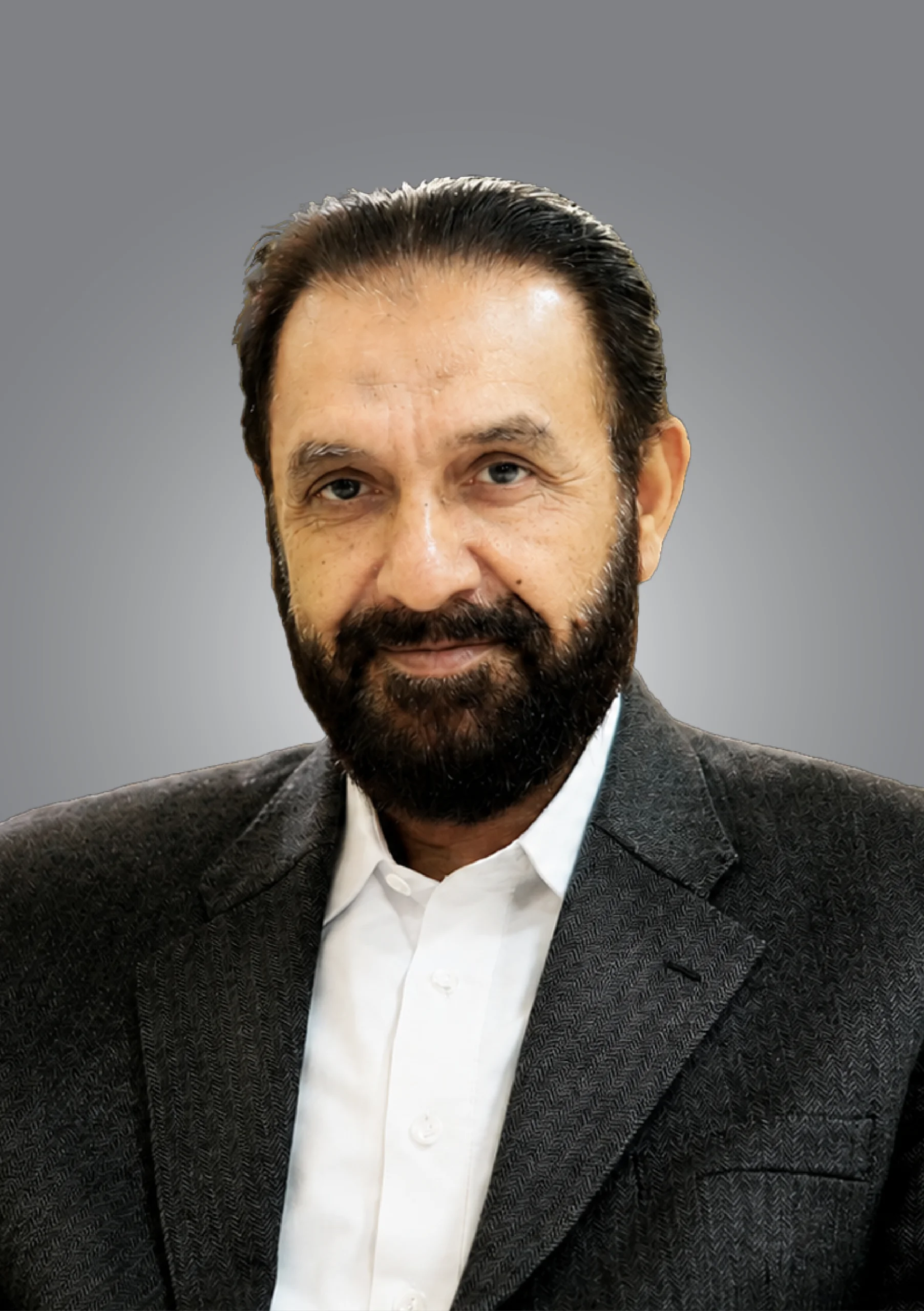
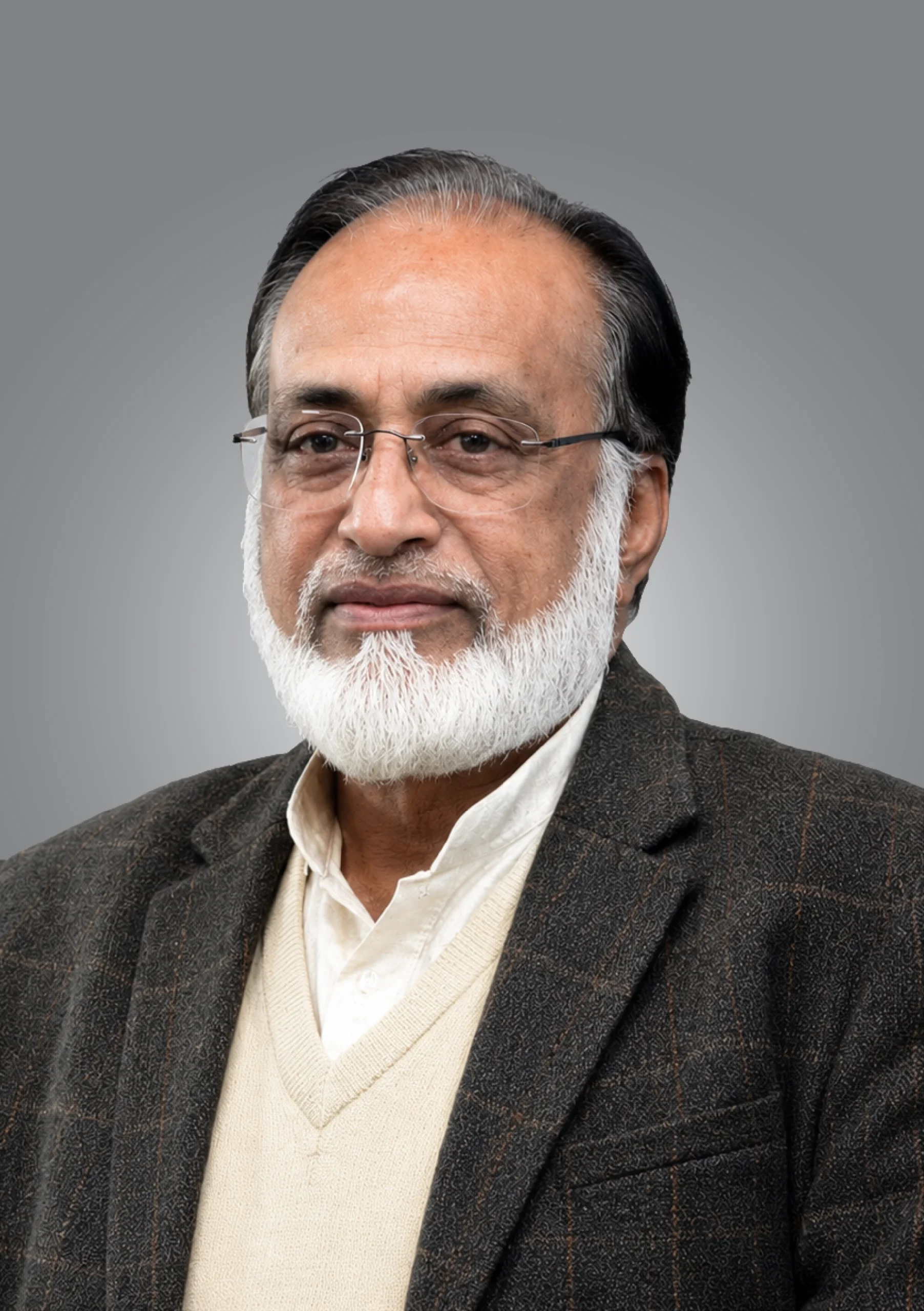
Hafiz Naeem ur Rahman

Ameer of Jamaat-e-Islami Pakistan.

Hafiz Naeem-ur-Rehman, the current Ameer of Jamaat-e-Islami Pakistan, represents a new phase in the party’s public politics: sharper mass mobilisation, stronger digital engagement, expansion of youth-focused programmes, and a direct challenge to the politics of privilege, inflated utility costs, weak local government, and state indifference.
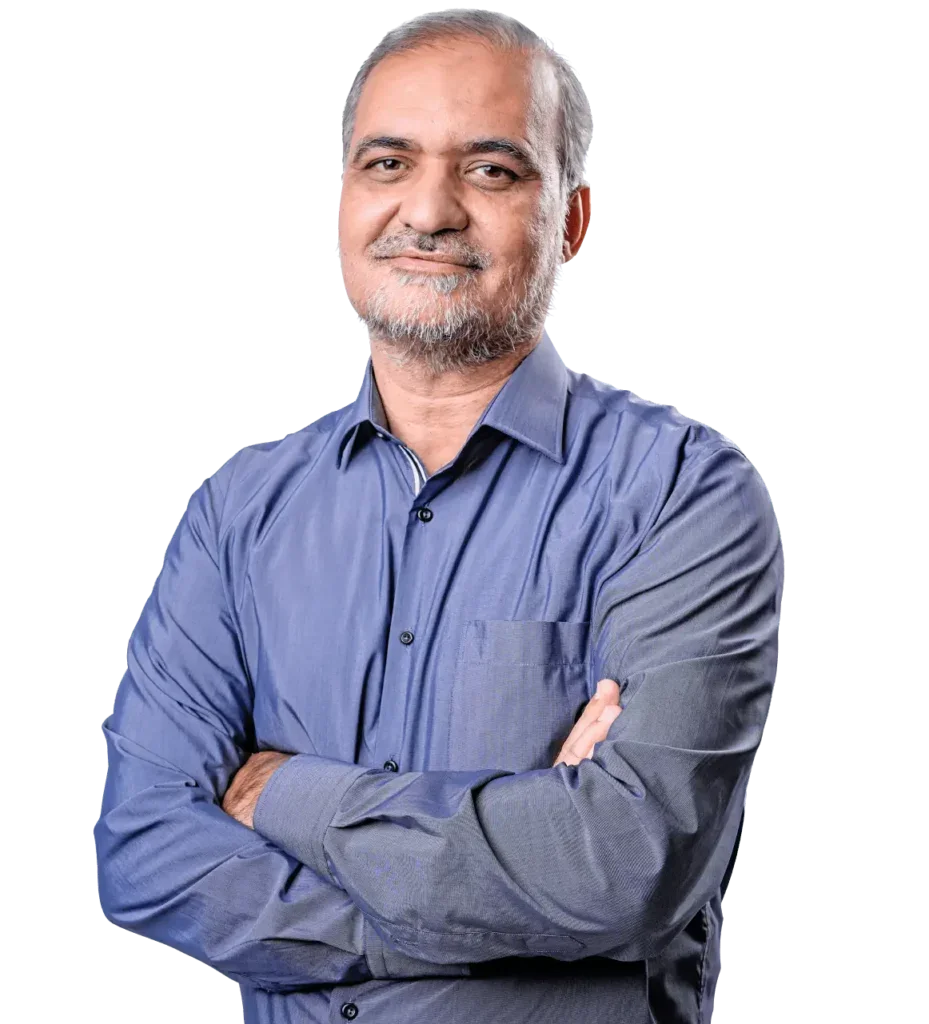
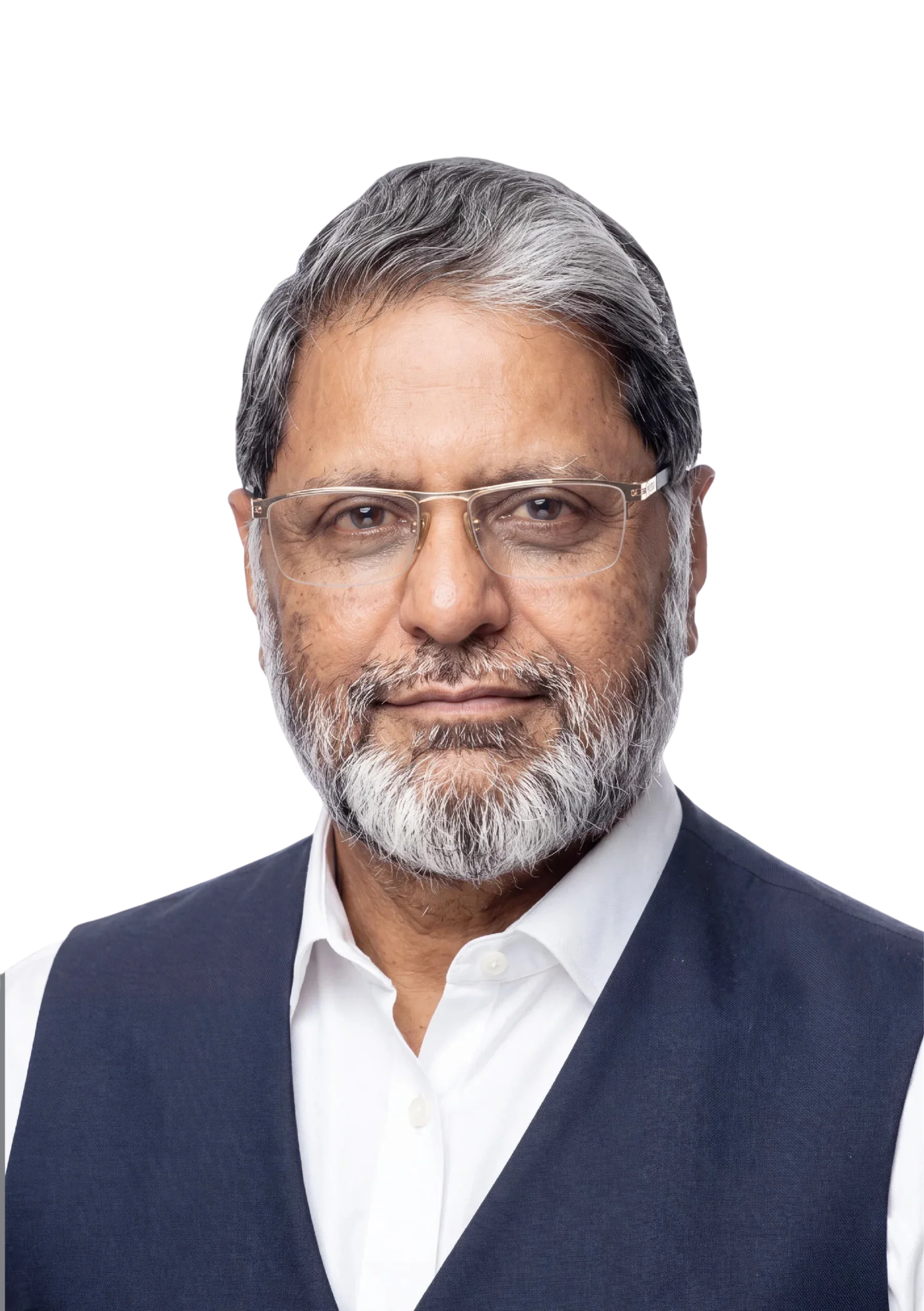
Hafiz Naeem ur Rahman
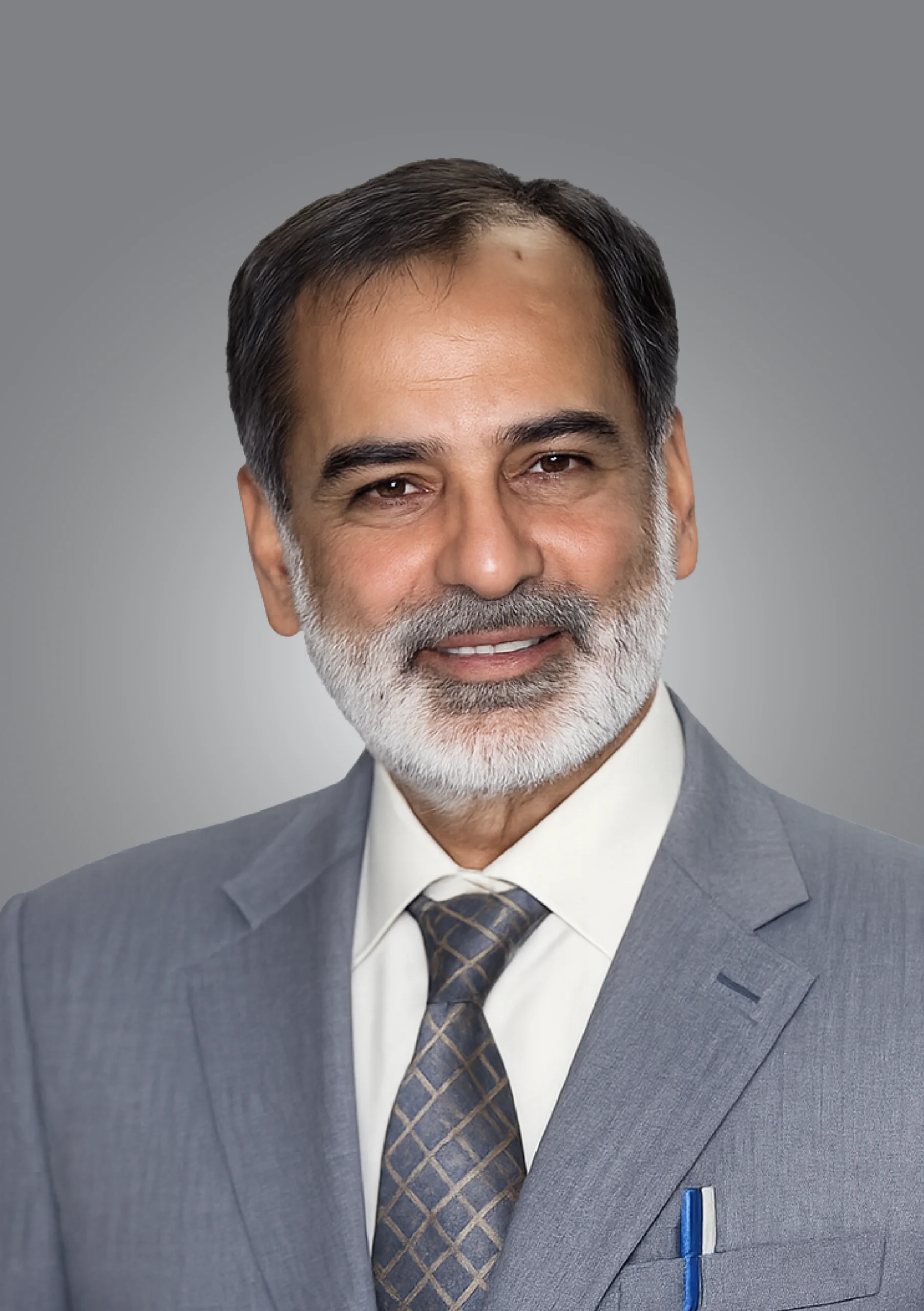
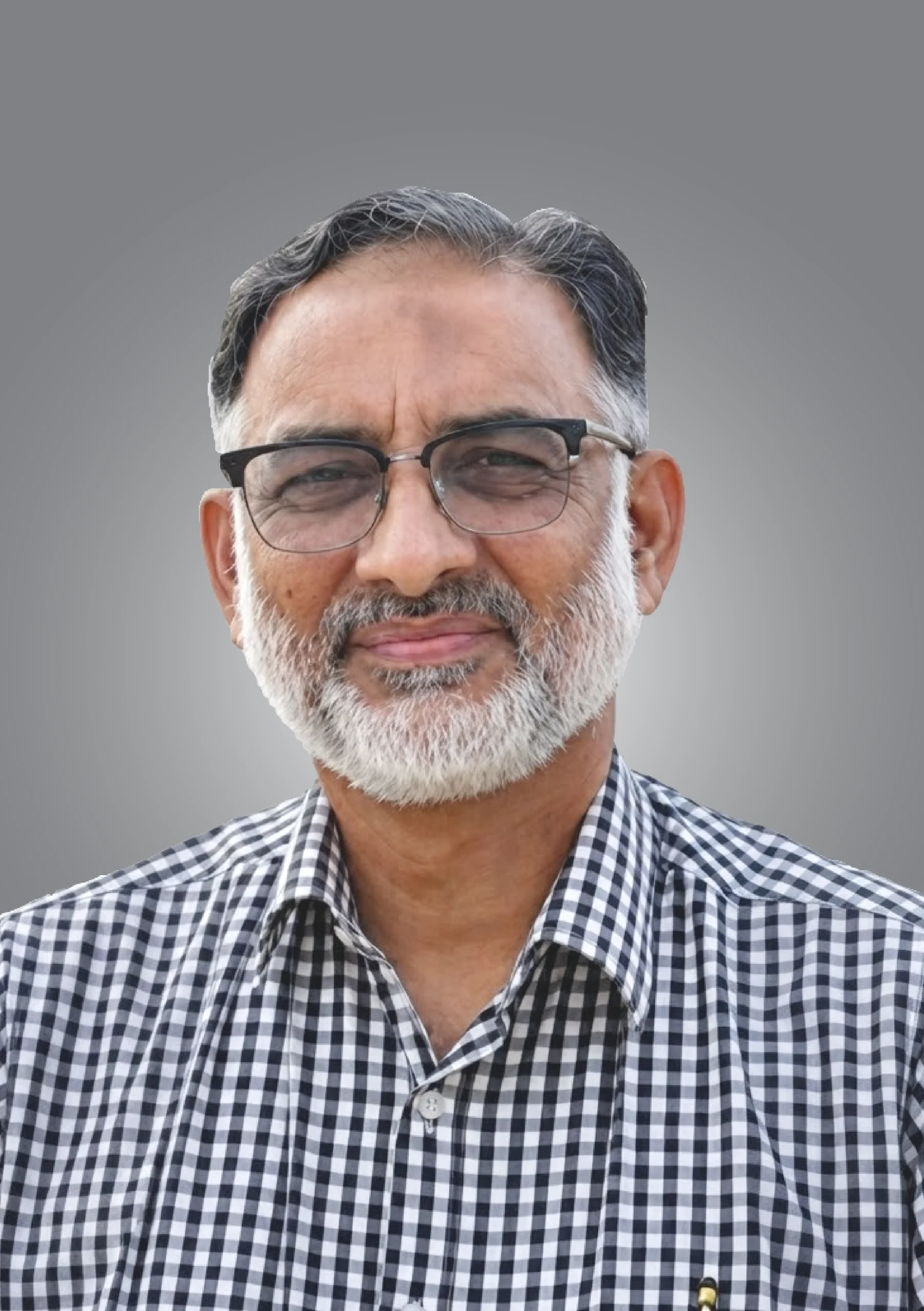
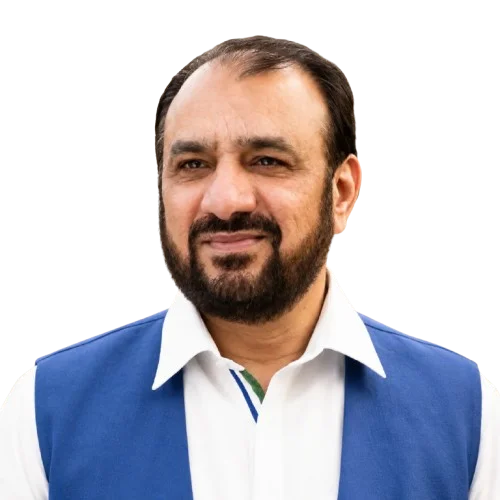
Nazir Ahmed Janjua

Nazir Ahmed Janjua

Interim General Secretary of Jamaat-e-Islami Pakistan

is a senior Pakistani political and social leader with decades of experience in organizational management, public service, labor affairs, and financial administration. A native of and holding an , he has served in several key leadership positions within , making significant contributions to the organization's growth and administrative development.

Central Leadership

Liaqat Baloch

Liaqat Baloch

Naib Ameer of Jamaat-e-Islami Pakistan.

Dr. Osama Razi

Dr. Osama Razi

Naib Ameer of Jamaat-e-Islami Pakistan.

Prof Muhammad Ibrahim Khan

Prof Muhammad Ibrahim Khan

Naib Ameer of Jamaat-e-Islami Pakistan.

Dr. Atta-ur-Rehman

Dr. Atta-ur-Rehman

Naib Ameer of Jamaat-e-Islami Pakistan.

Mian Muhammad Aslam

Mian Muhammad Aslam

Naib Ameer of Jamaat-e-Islami Pakistan.

Deputy General Secretaries

Khalid Rehman

Khalid Rehman

Deputy General Secretary, Jamaat-e-Islami Pakistan

Syed Firasat Shah

Syed Firasat Shah

Deputy General Secretary, Jamaat-e-Islami Pakistan

Nazir Ahmed Janjua

Nazir Ahmed Janjua

Deputy General Secretary, Jamaat-e-Islami Pakistan

Azhar Iqbal Hassan

Azhar Iqbal Hassan

Deputy General Secretary, Jamaat-e-Islami Pakistan

Syed Waqas Anjum Jafri

Syed Waqas Anjum Jafri

Deputy General Secretary, Jamaat-e-Islami Pakistan

Mentors of the Islamic Movement

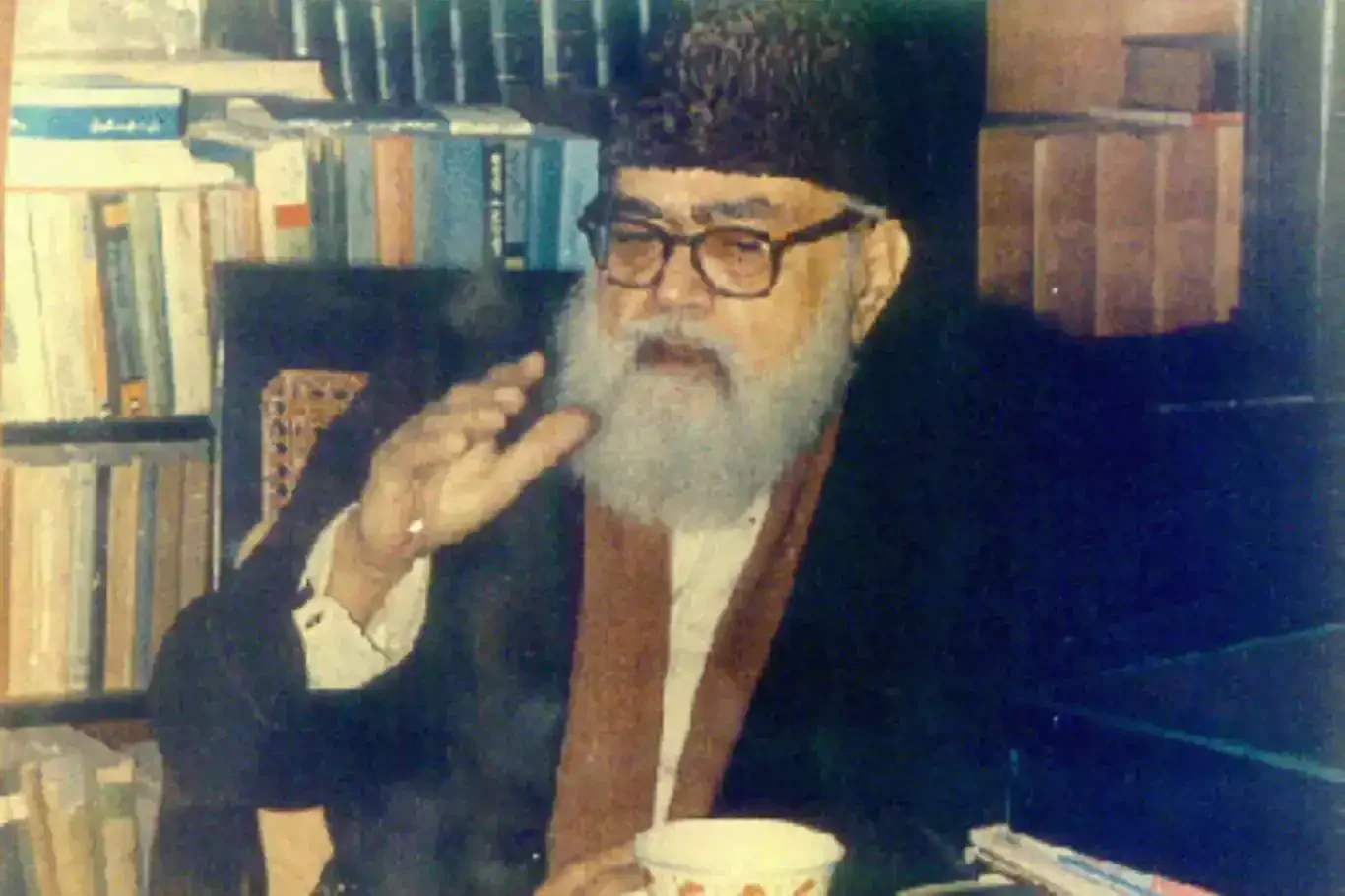
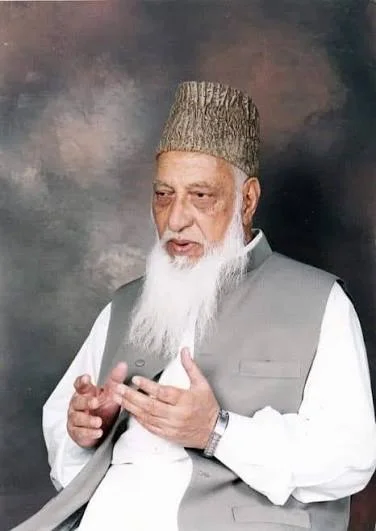
  • Syed Abul A‘la Maududi

    Syed Abul A‘la Maududi

    The Man Who Revived Islamic Thought

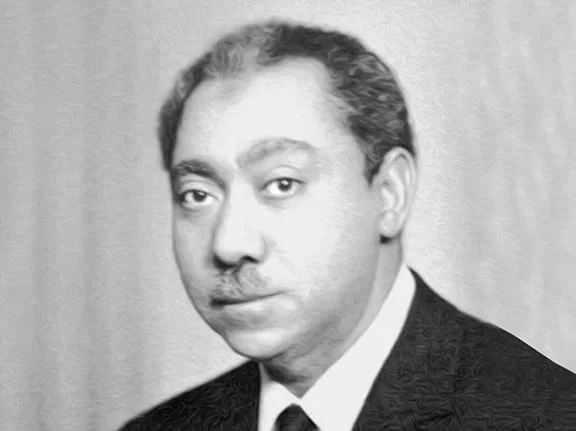
  • Sayyid Qutb Shaheed

    Sayyid Qutb Shaheed

    The Qur’anic Thinker of Islamic Revival

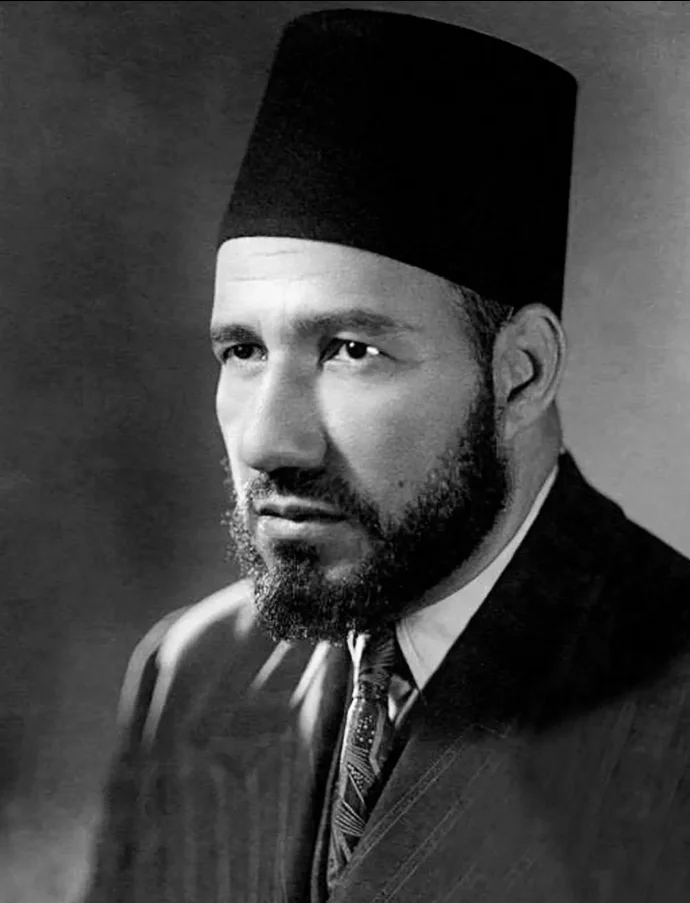
  • Imam Hassan al-Banna

    Imam Hassan al-Banna

    Founder of Al-Ikhwan al-Muslimun and a Leading Architect of Modern Islamic Revival

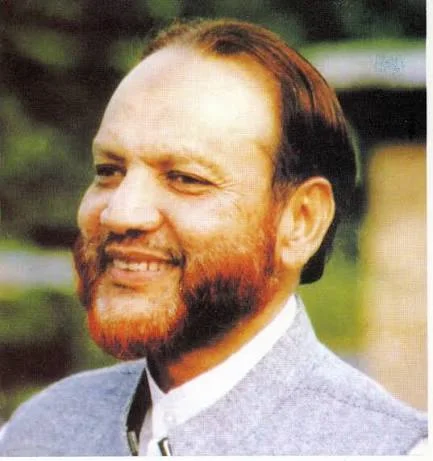
  • Khurram Murad

    Khurram Murad

    Healing Souls: A Visionary Scholar and Servant of the Haram.

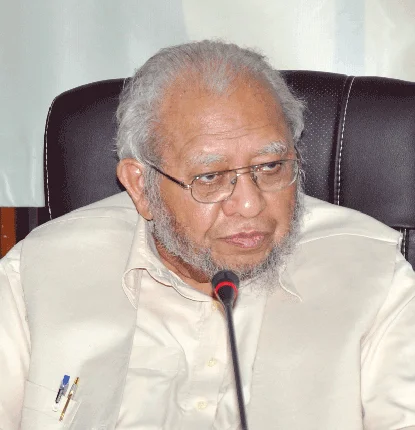
  • Professor Khurshid Ahmad

    Professor Khurshid Ahmad

    The Intellectual Heir of Syed Maududi and a Pillar of the Global Islamic Movement

A Legacy of Principled Leadership

  • Syed Abul A'la Maududi

    1st Ameer · Founder · 1941 – 1972

    The intellectual architect of the modern Islamic movement, Maududi founded Jamaat-e-Islami in Lahore on 26 August 1941. A theologian, philosopher, and prolific writer, his concept of Tawhid as the basis for governance and his distinction between Islam as a complete way of life — versus mere ritual — shaped not only JI but Islamic political thought worldwide. He led the movement through Partition, Pakistan's early years, and the turbulent 1950s–60s, resigning on health grounds in 1972 after 31 years. Born in Aurangabad, India (1903); died in Buffalo, USA (1979).See more

    Syed Abul A'la Maududi

    1st Ameer · Founder · 1941 – 1972

    The intellectual architect of the modern Islamic movement, Maududi founded Jamaat-e-Islami in Lahore on 26 August 1941. A theologian, philosopher, and prolific writer, his concept of Tawhid as the basis for governance and his distinction between Islam as a complete way of life — versus mere ritual — shaped not only JI but Islamic political thought worldwide. He led the movement through Partition, Pakistan's early years, and the turbulent 1950s–60s, resigning on health grounds in 1972 after 31 years. Born in Aurangabad, India (1903); died in Buffalo, USA (1979).See more

  • Mian Tufail Mohammad

    2nd Ameer · 1972 – 1987

    A lawyer by training (Government College Lahore; Punjab University Law College) and one of JI's founding members, Mian Tufail served as Secretary General before becoming Ameer in 1972. He served for three terms, navigating JI through the Bhutto era, General Zia's tenure, and the pressures of Pakistan's political transition. A man of deep personal discipline and organisational commitment, he resigned voluntarily in 1987, establishing the tradition of stepping down rather than clinging to office. Born in Kapurthala, Punjab (April 1914); died in Lahore (25 June 2009).See more

    A lawyer by training (Government College Lahore; Punjab University Law College) and one of JI's founding members, Mian Tufail served as Secretary General before becoming Ameer in 1972. He served for three terms, navigating JI through the Bhutto era, General Zia's tenure, and the pressures of Pakistan's political transition. A man of deep personal discipline and organisational commitment, he resigned voluntarily in 1987, establishing the tradition of stepping down rather than clinging to office. Born in Kapurthala, Punjab (April 1914); died in Lahore (25 June 2009).See more

    Mian Tufail Mohammad

    2nd Ameer · 1972 – 1987

  • Qazi Hussain Ahmad

    3rd Ameer · 1987 – 2009

    Elected in 1987 and re-elected four consecutive times (1992, 1994, 1999, 2003), Qazi Hussain Ahmad served the longest elected tenure in JI's history. He took JI from the corridors of government into the streets, forging the Muttahida Majlis-e-Amal (MMA) alliance that won 27 National Assembly seats in 2002. A Professor from Nowshera, KPK, with Masters degrees from the University of Peshawar, he was known for his charismatic oratory and his role in widening JI's political reach. Stepped down voluntarily in 2008. Born 12 January 1938; died 5 January 2013.See more

    Qazi Hussain Ahmad

    3rd Ameer · 1987 – 2009

    Elected in 1987 and re-elected four consecutive times (1992, 1994, 1999, 2003), Qazi Hussain Ahmad served the longest elected tenure in JI's history. He took JI from the corridors of government into the streets, forging the Muttahida Majlis-e-Amal (MMA) alliance that won 27 National Assembly seats in 2002. A Professor from Nowshera, KPK, with Masters degrees from the University of Peshawar, he was known for his charismatic oratory and his role in widening JI's political reach. Stepped down voluntarily in 2008. Born 12 January 1938; died 5 January 2013.See more

  • Syed Munawar Hasan

    4th Ameer ·2009 – 2014

    Born in Delhi (1940) and educated at the University of Karachi (BSc, MSc), Syed Munawar Hasan was a Professor and religious leader who joined JI's Karachi chapter and rose through the ranks. Elected Ameer in 2009, he served one term until 2014 — a period of intense political turbulence in Pakistan. A man of quiet conviction and scholarly temperament, he was a foreign policy commentator respected across the movement. He passed away in Karachi on 26 June 2020.See more

    Born in Delhi (1940) and educated at the University of Karachi (BSc, MSc), Syed Munawar Hasan was a Professor and religious leader who joined JI's Karachi chapter and rose through the ranks. Elected Ameer in 2009, he served one term until 2014 — a period of intense political turbulence in Pakistan. A man of quiet conviction and scholarly temperament, he was a foreign policy commentator respected across the movement. He passed away in Karachi on 26 June 2020.See more

    Syed Munawar Hasan

    4th Ameer ·2009 – 2014

  • Sirajul Haq

    5th Ameer · 2014 – 2024

    From Lower Dir, KPK, with Master's degrees from University of Peshawar and Punjab, Sirajul Haq began in IJT (as Nazim-e-Aala for three terms), became Senior Minister and Finance Minister of KP, then Senator. Elected Ameer in 2014, he served a decade — two full terms — and led JI's platform on anti-corruption, health, education, and service. After the movement's poor performance in the February 2024 general elections, he tendered his resignation, which the Majlis-e-Shura declined. He then chose not to contest the new election. Born 5 September 1962.See more

    Sirajul Haq

    5th Ameer · 2014 – 2024

    From Lower Dir, KPK, with Master's degrees from University of Peshawar and Punjab, Sirajul Haq began in IJT (as Nazim-e-Aala for three terms), became Senior Minister and Finance Minister of KP, then Senator. Elected Ameer in 2014, he served a decade — two full terms — and led JI's platform on anti-corruption, health, education, and service. After the movement's poor performance in the February 2024 general elections, he tendered his resignation, which the Majlis-e-Shura declined. He then chose not to contest the new election. Born 5 September 1962.See more

  • Hafiz Naeemur Rehman

    6th Ameer · Incumbent · 2024 – Present

    Born 1 December 1972 in Hyderabad, Hafiz Naeem is an engineer (NED University) and Hafiz-e-Quran who spent 2013–2024 transforming JI Karachi into a civic force — leading mass campaigns on water rights, street crime, and public services. Elected 6th Ameer on 4 April 2024 by 46,000+ members with 82% turnout. The youngest Ameer in JI's history and the first from Karachi, he represents a new chapter focused on frontline civic engagement, youth mobilisation, and reclaiming JI's urban presence.See more

    Born 1 December 1972 in Hyderabad, Hafiz Naeem is an engineer (NED University) and Hafiz-e-Quran who spent 2013–2024 transforming JI Karachi into a civic force — leading mass campaigns on water rights, street crime, and public services. Elected 6th Ameer on 4 April 2024 by 46,000+ members with 82% turnout. The youngest Ameer in JI's history and the first from Karachi, he represents a new chapter focused on frontline civic engagement, youth mobilisation, and reclaiming JI's urban presence.See more

    Hafiz Naeemur Rehman

    6th Ameer · Incumbent · 2024 – Present

Leaders Who Served and Struggled

Jamaat-e-Islami’s history is rich with leaders who stood for truth in public life, served the people with humility, and challenged the politics of fear, corruption, feudalism, and dictatorship.

Naimatullah Khan

Naimatullah Khan

Babay-e-Karachi: The Mayor Who Revived Karachi

Dr. Nazir Ahmad Shaheed

Dr. Nazir Ahmad Shaheed

A Voice That Challenged Feudal Power and Paid for Truth with His Life

Professor Abdul Ghafoor Ahmad

Professor Abdul Ghafoor Ahmad

The Constitutional Mind, the Dervish Politician, and the Gentleman of Pakistani Public Life

Chaudhry Muhammad Aslam Saleemi

Chaudhry Muhammad Aslam Saleemi

Former Naib Ameer of Jamaat-e-Islami Pakistan

Chaudhry Rehmat Elahi

Chaudhry Rehmat Elahi

Former Naib Ameer, Jamaat-e-Islami Pakistan

Abdul Ghaffar Aziz

Scholar, Internationalist and a Bridge Across the Muslim World

Ameer ul Azeem

Ameer ul Azeem

General Secretary of Jamaat-e-Islami Pakistan

Provincial Leadership

Organizational Units

Pakistan Provincial Leadership Map

0 Administrative Divisions

  • Punjab

    4 Units

  • KPK

    4 Units

  • Sindh

    2 Units

  • Balochistan

    1 Unit

  • AJK & Gilgit

    1 Unit

  • Federal

    Islamabad

No province selected

Global Islamic Leadership

Five independent organisations share the same ideological roots — Maududi's vision of Iqamat-e-Deen — but operate fully autonomously, with their own elected leadership, constitutions, and programmes. There is no central command; the link is intellectual and spiritual.

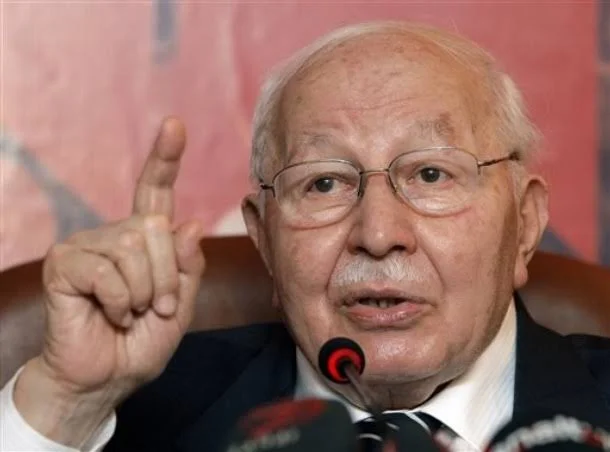
  • Prof. Dr. Necmettin Erbakan

    Former Prime Minister of Turkiye

    Biography & Religio-Political Contribution: A towering figure of Islamic political revival in Turkey, Prof. Dr. Necmettin Erbakan (Rahimahullah) was the architect of the Millî Görüş (National Vision) movement. Serving as Prime Minister of Turkey, he effectively challenged the extreme secularist Kemalist establishment. He sought to integrate Islamic morality with modern industrial progress, aiming to establish an independent Islamic economic bloc known as the D-8.

    Impact on the Ummah: Erbakan countered the wave of Western cultural and economic hegemony by proving that Turkey’s true strength lay in its Islamic roots, not in subservience to Europe. He gave the Ummah the courage to envision a self-reliant geopolitical alliance capable of resisting imperialist dictates.

    Prof. Dr. Necmettin Erbakan
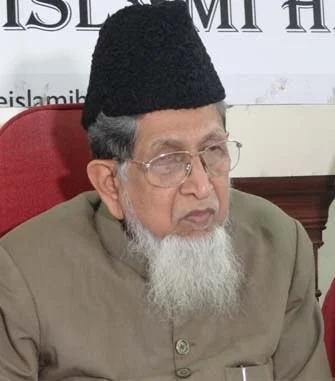
  • Syed Jalaluddin Umri

    JI India

    Biography & Religio-Political Contribution: Syed Jalaluddin Umri (Rahimahullah) was a former Ameer of Jamaat-e-Islami Hind and one of the subcontinent's most authoritative Islamic jurists. Serving as the Vice-President of the All India Muslim Personal Law Board, he dedicated his life to academic research, Islamic jurisprudence ( Fiqh ), and defending the constitutional rights of Indian Muslims to practice Islamic family law.

    Impact on the Ummah: Umri provided a formidable intellectual defense against aggressive secular and Western feminist critiques of Islam. He strengthened the Ummah’s intellectual resistance by rationally articulating the superiority of Islamic family structures and ethics, thereby protecting the core social fabric of Indian Muslims from secular disintegration.

    Syed Jalaluddin Umri
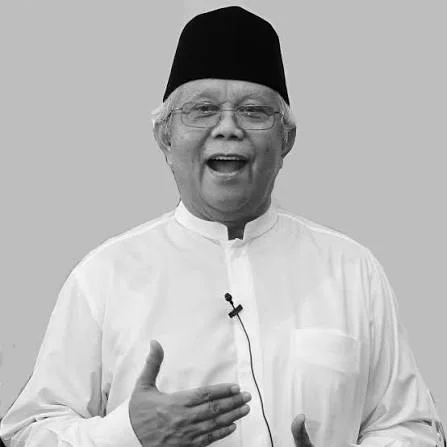
  • Ustadz Hilmy Aminuddin

    Indonesia

    Biography & Religio-Political Contribution: Ustadz Hilmy Aminuddin (Rahimahullah) was the foundational architect and Chairman of the Majelis Syuro of the Prosperous Justice Party (PKS) in Indonesia. He initiated the underground Tarbiyah (education) movement on university campuses during the authoritarian New Order regime, which eventually blossomed into the largest and most disciplined Islamic democratic party in Southeast Asia.

    Impact on the Ummah: Aminuddin successfully countered secular-nationalism in the world's largest Muslim-majority country. By establishing a massive, cadre-based political force, he proved to the Ummah that Islamic revivalism is profoundly compatible with modern pluralistic democracy, effectively resisting Western attempts to secularize Indonesian political culture.

    Ustadz Hilmy Aminuddin
  • Maulana Sa'aduddin Tarabali

    Occupied Jammu & Kashmir

    Biography & Religio-Political Contribution: Maulana Sa'aduddin Tarabali (Rahimahullah) was the visionary founder and first Ameer of Jamaat-e-Islami Jammu and Kashmir, established in 1953. Operating in a highly volatile conflict zone, he institutionalized Islamic political thought in the Kashmir valley. He established the Falah-e-Aam Trust , building an extensive network of hundreds of schools to educate a generation rooted in Islamic ideology.

    Impact on the Ummah: He successfully preserved the Islamic consciousness of Kashmiris against systematic cultural assimilation and secularization by the Indian state. He provided the Kashmiri people with the ideological armor required to resist occupation, firmly linking their local struggle to the broader global Ummah.

    Maulana Sa'aduddin Tarabali
  • Ahmad Fuad Hassan

    Malaysia

    Biography & Religio-Political Contribution: Ahmad Fuad Hassan (Rahimahullah) was a prominent Islamic cleric and the foundational architect and first president of the Pan-Malaysian Islamic Party (PAS), established in 1951. Recognizing the ideological bankruptcy of secular nationalism, he broke away from the United Malays National Organisation (UMNO) to forge a distinct, uncompromising Islamic political path in Malaysia.

    Impact on the Ummah: He ignited the formal Islamic political resistance against British colonial secularism and Malay ethno-nationalism. By firmly demanding an Islamic state constitution, he embedded the concept of Iqamat-e-Deen into the Southeast Asian political consciousness, providing the Ummah with a potent vehicle to resist Western political models.

    Ahmad Fuad Hassan
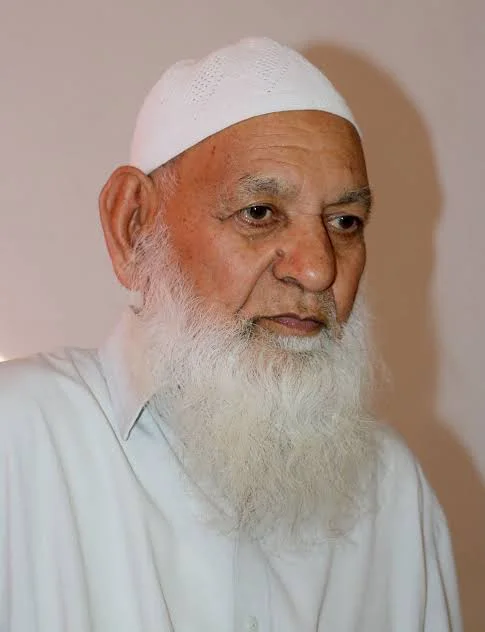
  • Sheikh Mohammad Hassan

    Occupied Jammu & Kashmir

    a veteran leader and former Ameer of Jamaat-e-Islami Jammu and Kashmir (serving from 2006 to 2012). A steadfast administrator who recently passed away in May 2026, he guided the movement through intense periods of state suppression, mass arrests, and extreme militarization, ensuring the survival of its grassroots network.

    Impact on the Ummah: Hassan maintained the organizational integrity and Dawah framework of JI J&K when the Indian state violently targeted its workers. He demonstrated remarkable resilience, ensuring that the movement did not deviate from its core Islamic objectives despite overwhelming external pressures to secularize or abandon its ideological stance.

    Sheikh Mohammad Hassan
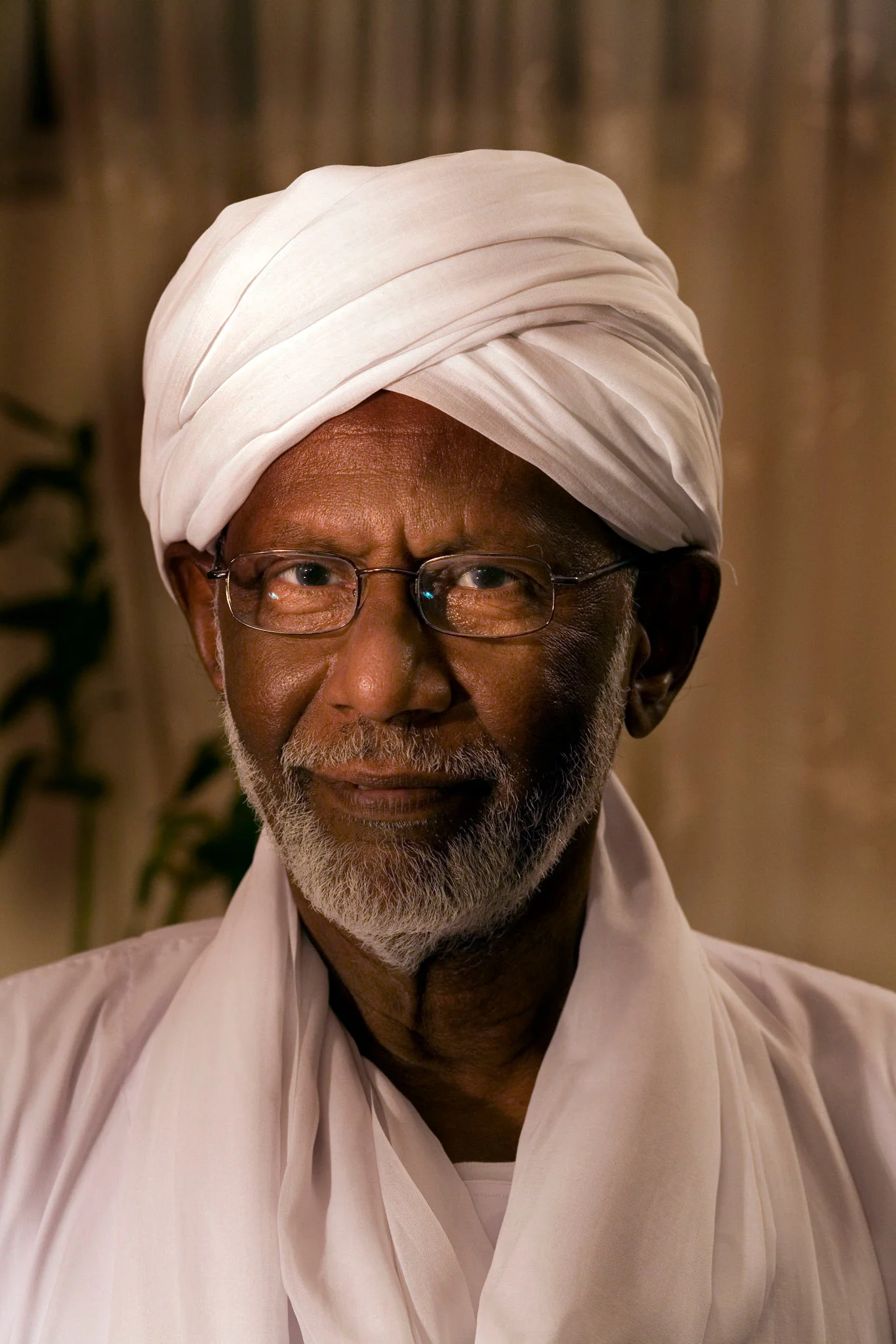
  • Dr. Hassan al-Turabi

    Sudan

    Biography & Religio-Political Contribution: Dr. Hassan al-Turabi (Rahimahullah) was the leading intellectual architect of Sudan’s Islamic revival and founder of the National Islamic Front. A brilliant legal scholar holding degrees from London and Paris, he attempted the ambitious task of constructing a modern Islamic state apparatus in Africa, significantly influencing Sudan's constitutional transition toward Shariah law.

    Impact on the Ummah: He boldly challenged Western political and cultural hegemony by proving that Islamic jurisprudence could dynamically govern a modern nation-state. He gave the African Ummah the intellectual confidence to reject post-colonial secular legal systems, though his later political pragmatism sparked complex debates across the Islamic world.

    Dr. Hassan al-Turabi